Older Slabs Need More Than a Coating
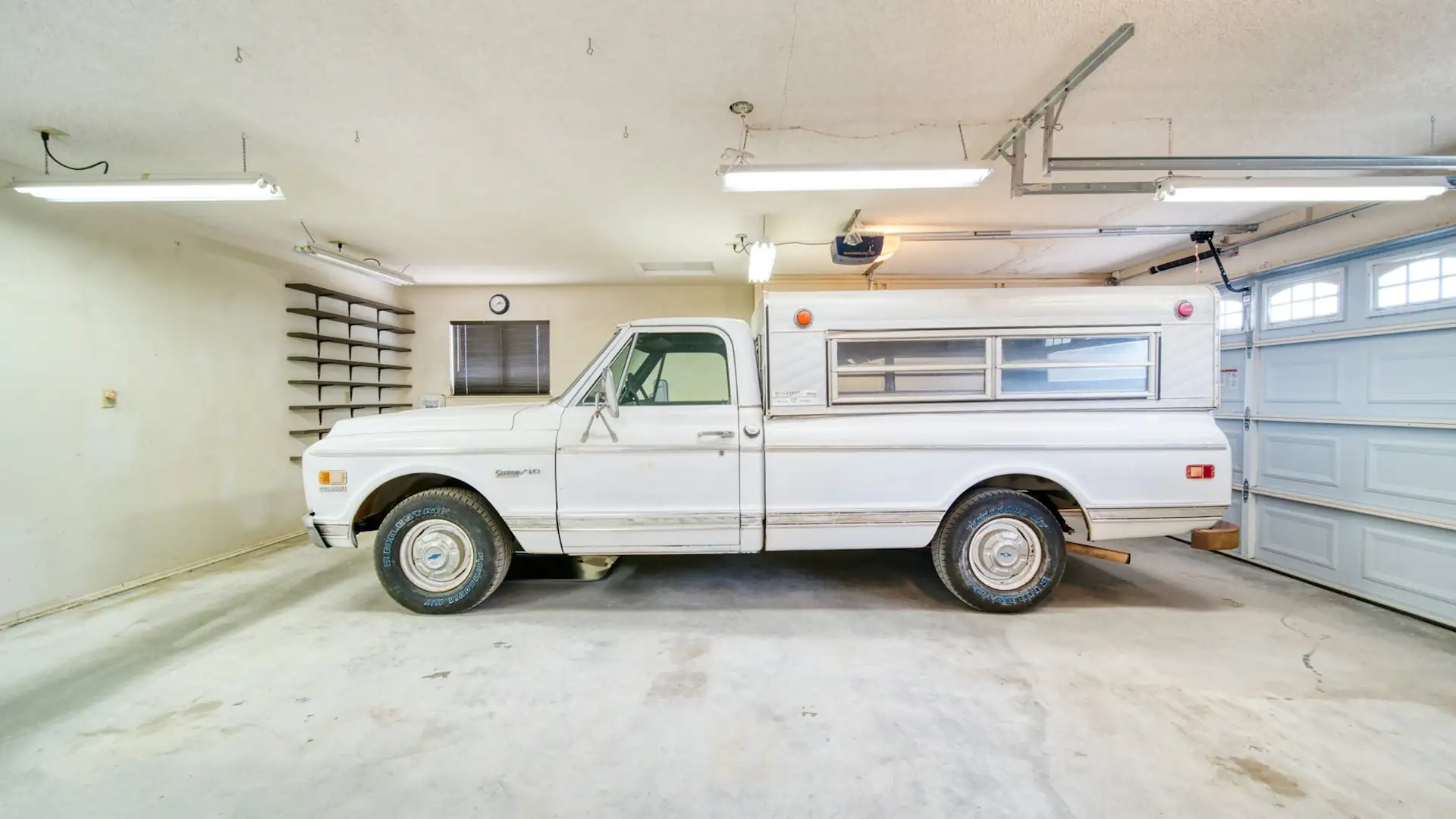
Years of oil drips, tire marks, settling and South Plains temperature swings leave their mark on garage concrete. Cracks open up, edges chip, and surfaces can flake or pit. A coating rolled over that damage will show every flaw and is more likely to fail.
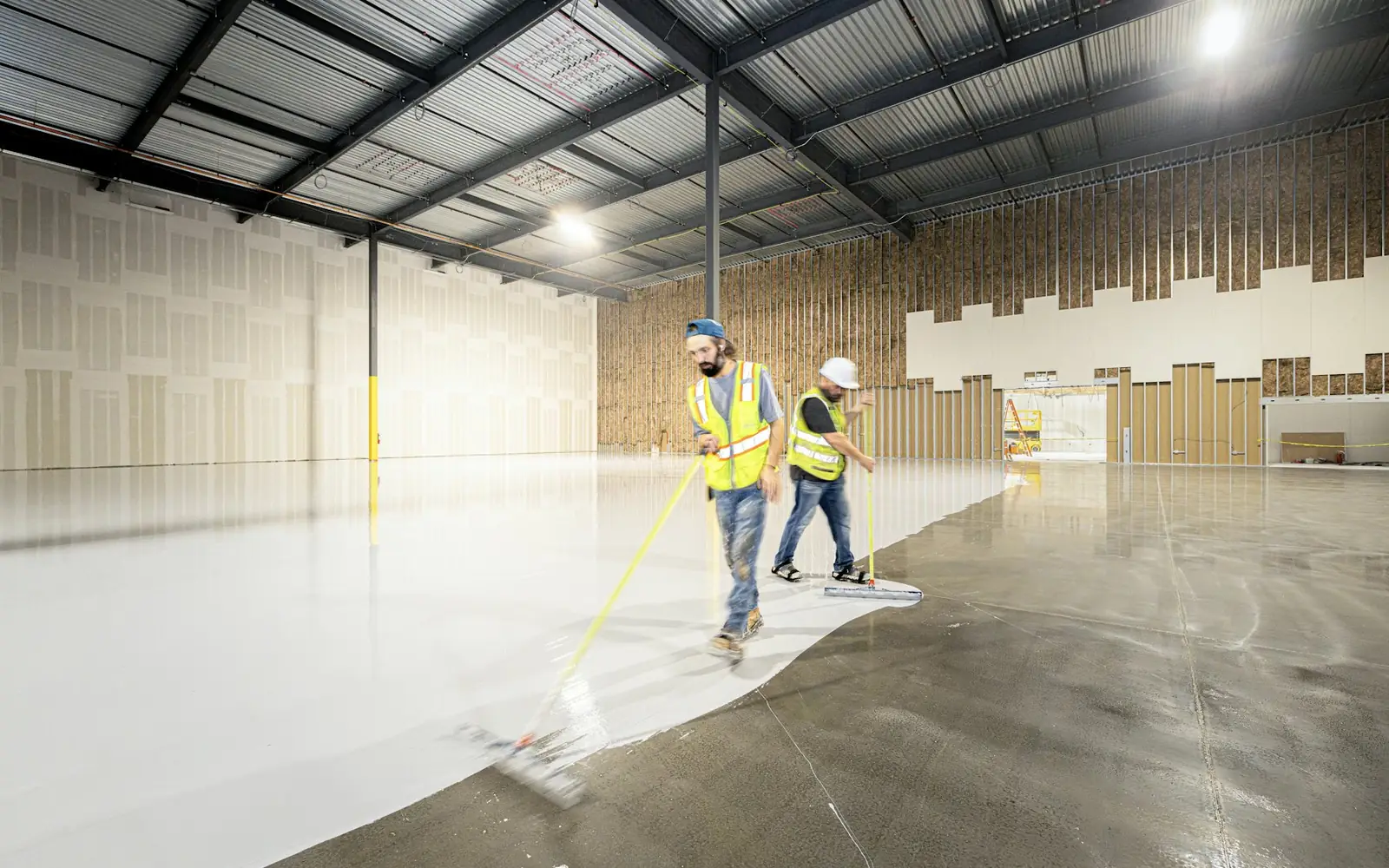
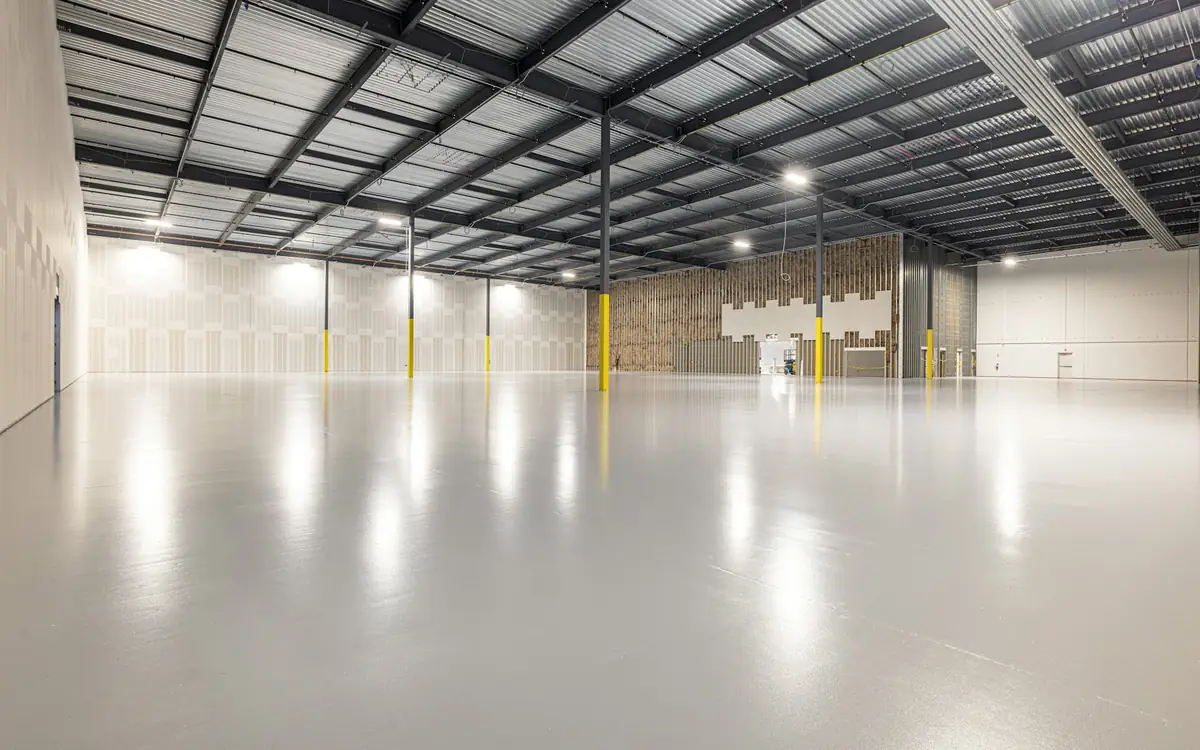
Experienced installers treat repair as part of the job. They grind the floor, fill and level damaged areas, and only then build the coating system. Done that way, an old garage floor can end up looking better than when it was new.
Common Fixes Before the First Coat
An installer can tell you which of these your floor needs after seeing it in person.
- Filling cracks so they do not telegraph through the finish
- Patching spalled or pitted areas and chipped edges
- Treating deep oil stains that can interfere with bonding
- Grinding off old paint or a failing DIY coating
- Checking for moisture in older slabs with no vapor barrier
Detached Garages, Workshops and Porches
Older properties often have a separate workshop or a covered porch alongside the main garage. Those surfaces can be coated too, though outdoor areas need a UV-stable product made for sun exposure. Getting them quoted at the same time keeps the look consistent.
Carports are a different case. Because they are open to wind, sun and rain, ask whether a coating suited to exterior use makes sense there.
Repair work is the biggest variable in older homes. Our main site's cost guide shows typical ranges in the Lubbock area, and your contractor quotes the final price after an inspection.
Slaton questions
My Slaton garage was painted years ago. Can it still be coated?
Yes, in most cases. The old paint usually has to be ground off completely so the new system bonds to bare concrete, and the installer will include that in the quote.
Is an older, cracked slab worth coating?
Often it is, as long as the slab is structurally sound. Cosmetic cracks and pitting can be repaired, but if a floor has major heaving or sinking, an installer may recommend addressing that first.